
History
1941
24th of June — 26th of November
From 24 June, 1941 till 23 July, 1941 following the order of South-West front Commander in the 8th Air Force the 38th Mobile Railway Aircraft Repair Workshops were set up under storage No.2 of People's Commissariat of Defense in the city of Kharkov receiving the conventional name of Military Unit No. 21951. Vladimir Rostislavov, skilled and experienced specialist, 3 rank engineer was appointed as executive officer of the 38th Mobile Railway Aircraft Repair Workshops.
Repositioning by rail, the Workshops were supposed to be located near the front line in order to carry out the repair of combat-damaged aircraft. But on the ground of absence of required rolling equipment (apart from 3 railcars) on 1 August, 1941 following the Order of Air Force Headquarters of South-West Military District the workshops became a part of the 257th stationary air workshops in the city of Kharkov and being a part of the 257th stationary air workshops they were removed to the city of Uriupinsk (Stalingrad region) on 1 October.
Upon arrival at base the repair workshops were located on the territory of state horse stables which were retooled for production premises and workshops.
Based on Decree of UERTU of the Air Forces of the Workers' and Peasants' Red Army No. 386 and the Order of Repair department of South-West front line Air Force Headquarters dated 26 October, 1941, the 257th stationary air workshops were redeployed to Sorochinsk (Chkalov region), and the 38th Mobile Railway Aircraft Repair Workshops stayed in Uriupinsk started functioning as an independent combat unit.
Since 16 November 38th Mobile Railway Aircraft Repair Workshops were engaged in repair of Su-2 light bomber, Y-2 aircraft, M-88 and M-1 motors of the 8th Air Army of South-West front line. For the time of combat performance in Uriupinsk the workshop-related personnel reactivated 151 aircraft and 143 aviation engines.
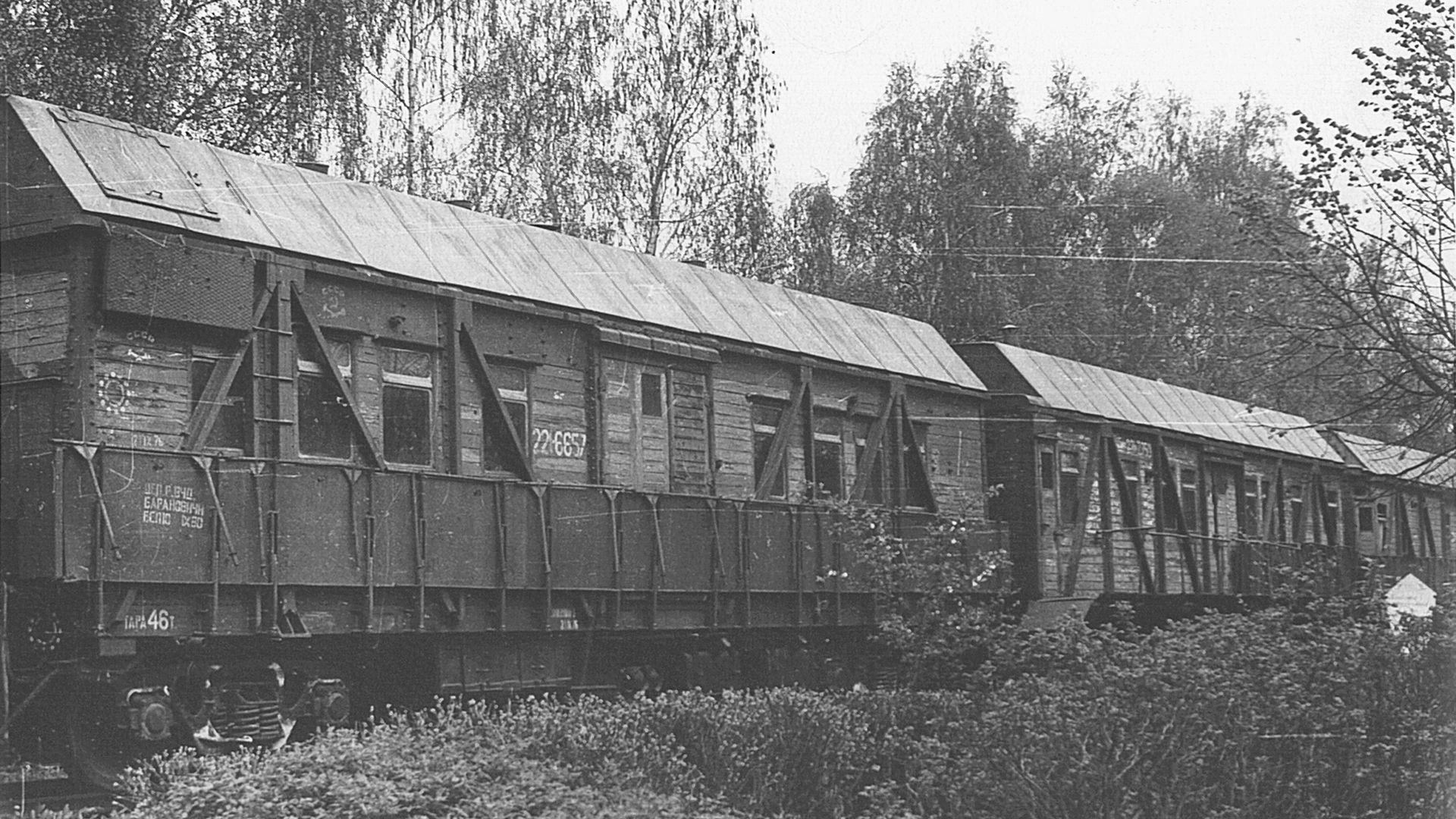
Set of cars of the 38th Mobile Railway Aircraft Repair Workshops
1942
Beginning of January — second half of 1942
For the prompt recommission of combat-damaged aircraft in January 1942 the workshops were reorganized into repair brigades of type PARM-3 and moved to Leninsk (Stalingrad region) for carrying out of aircraft repair work at field aerodromes and airfields.
Following the instruction No. 4596 of the Red Army Air Force Commander dated 11 July, 1942 the 38th Mobile Railway Aircraft Repair Workshops were redeployed by two railway trains from Uriupinsk over the Volga to the station named Bezymjannaya (Saratov region). The workshops were provided with a special aircraft repair train for allocation of all the technical equipment, tools and personnel.
Since that moment the workshops have become fully consistent with their name and purpose - to be as close to their units as possible in order to provide for the prompt recovery of aircraft damaged in combat. In this train the 38 Mobile Aircraft Repair Workshops followed their battle route from Stalingrad to East Prussia over the remaining period of the Great Patriotic War.
In the second half of 1942, when the Battle of Stalingrad began, apart from Su-2 and Po-2 aircraft and their engines, the workshops started to repair IL-2 ground attack aircraft, Hurricane fighters, and AM-38, Merlin XX, M-82 engines.
A team of aircraft repairmen on the Stalingrad front accomplished the invaluable work in the fight for the new lease of life of disabled, half-burnt aircraft - literally rising from the ashes, they rushed back to the sky to fight the enemy.
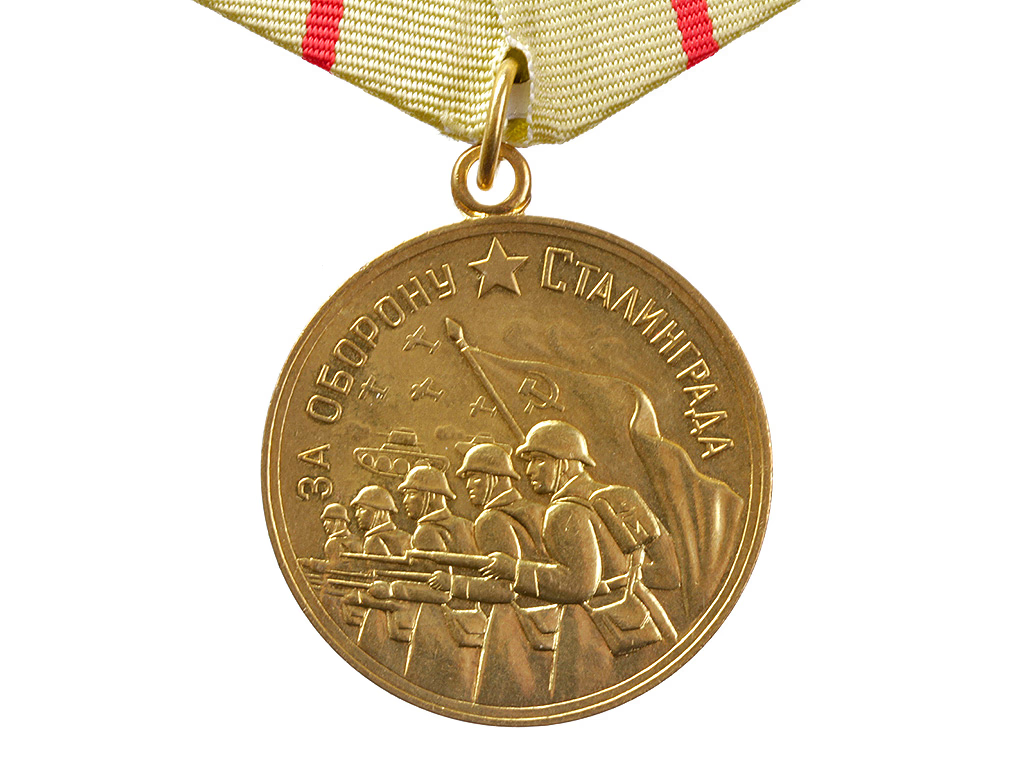
All the personnel of the workshops were awarded the Medal "For the Defense of Stalingrad" for performing tasks on repair of aviation materiel on the Stalingrad front.
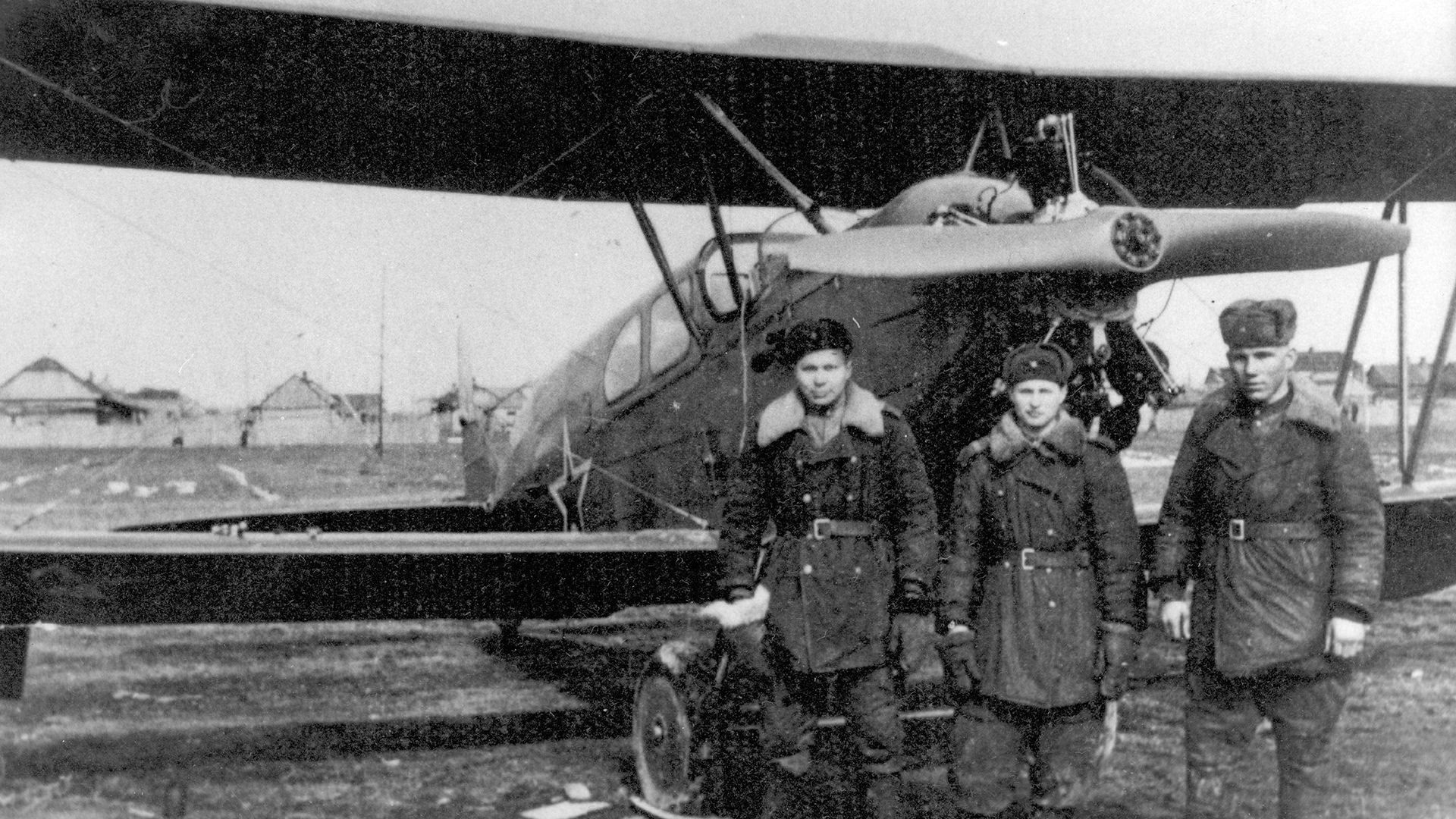
Workers of the 38th Mobile Railway Aircraft Repair Workshops in front of U-2ShS (Po-2ShS) airlifter - upgrade of the legendary Po-2 aircraft
1943
February — May
In 1943 the situation changed. The front was moving quickly to the West. In February the workshops were relocated to Afrosimovskiy crossing point, in May - to Proletarskaya station, in October - to Donetsk.
On the Commander's initiative the 38th Mobile Railway Aircraft Repair Workshops were located in combat regiments for the prompt restoration of aircraft in the field.
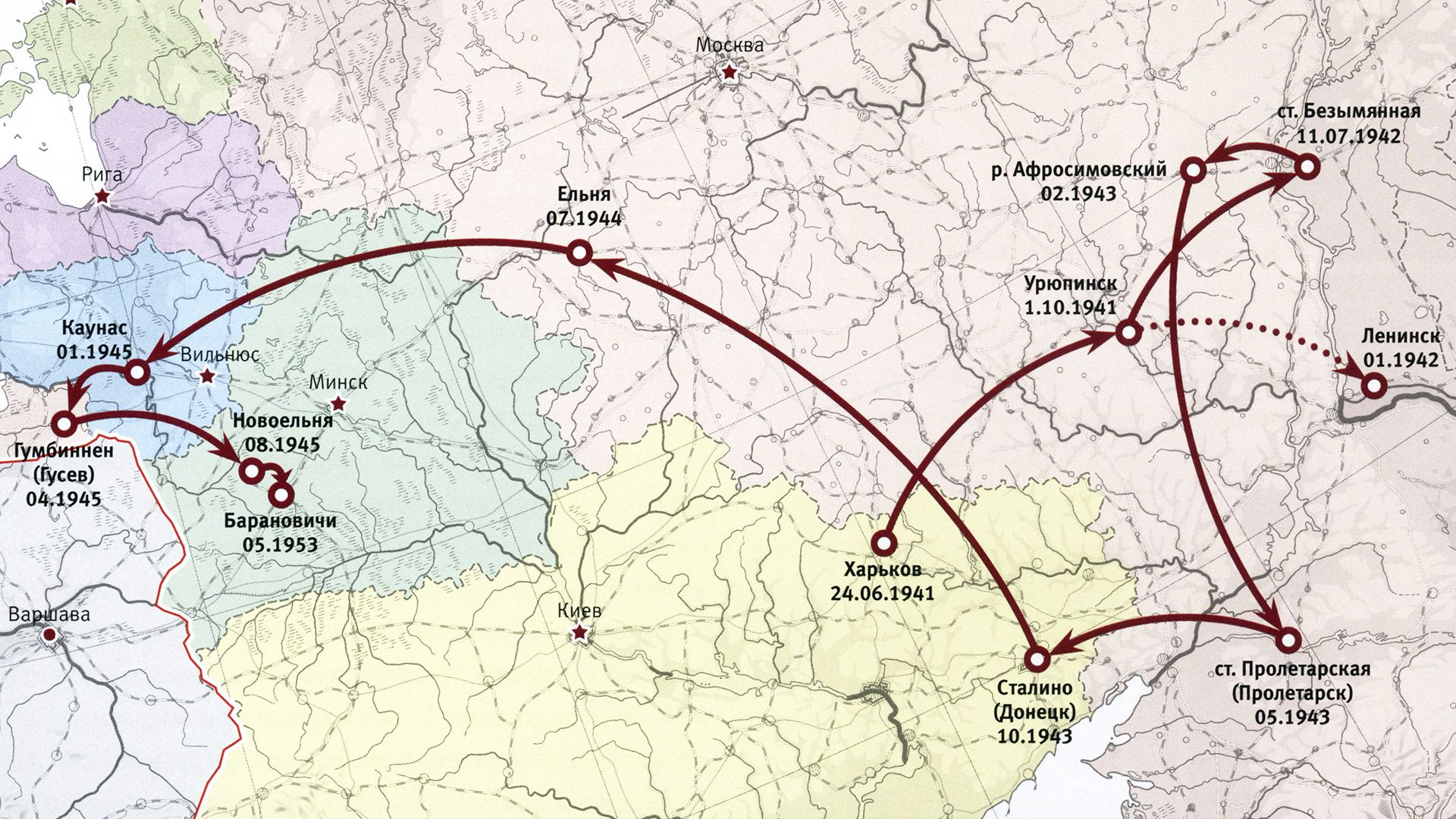
Operational record of the military unit
1944
Beginning of 1944 — August
At the beginning of 1944 there was an order received of relocation to Kaunas of the Lithuanian Soviet Socialist Republic to join the 1st Air Army.
After the liberation of the Crimea the 38th Mobile Railway Aircraft Repair Workshops were were transferred to join the 3rd Belorussian Front and relocated in July 1944 to Yelnya station in Smolensk region where they participated in the Bagration operation to liberate Belarus.
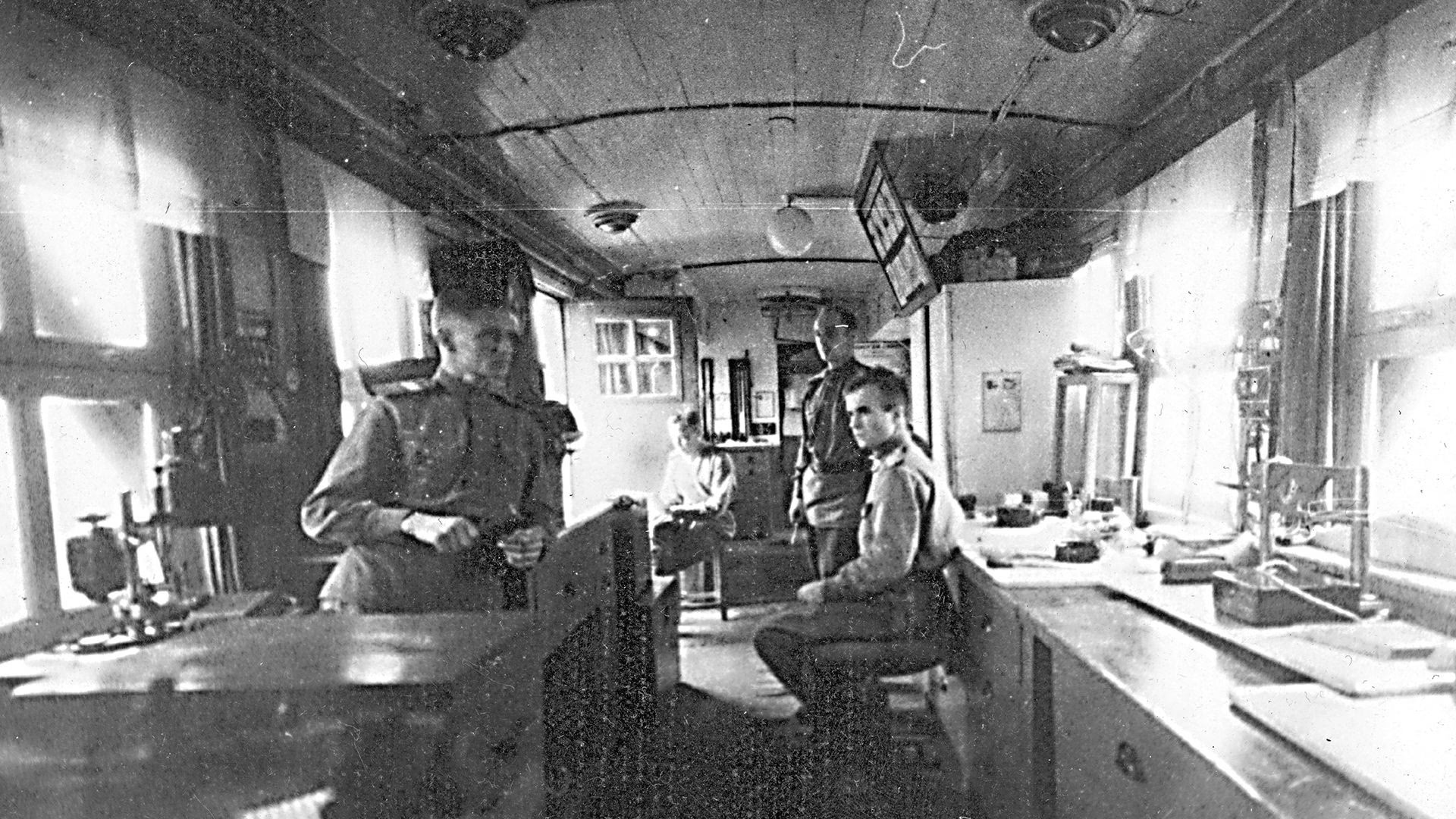
Inside a car of the 38th Mobile Railway Aircraft Repair Workshops
1945
April — August
The unit was relocated to Gumbinnen (now Gusev, Kaliningrad region), and here it continued its combat engagement in restoration of aircraft until the end of the Great Patriotic War.
During the wartime the unit personnel restored 286 aircraft of various types which is equivalent to the number of 8-9 air regiments, repaired 1285 aircraft engines of various types.
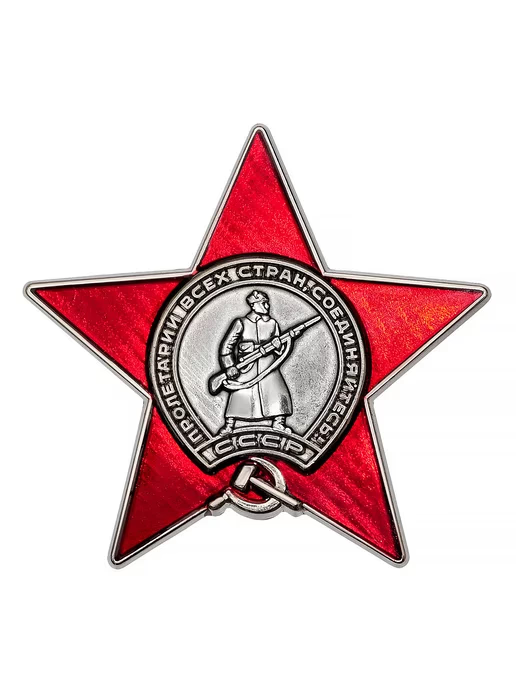
On April 5, 1945 the 38th Mobile Railway Aircraft Repair Workshops were awarded the Order of the Red Star by the Decree of the Presidium of the Supreme Soviet of the USSR for combat services during the Great Patriotic War of 1941-1945.
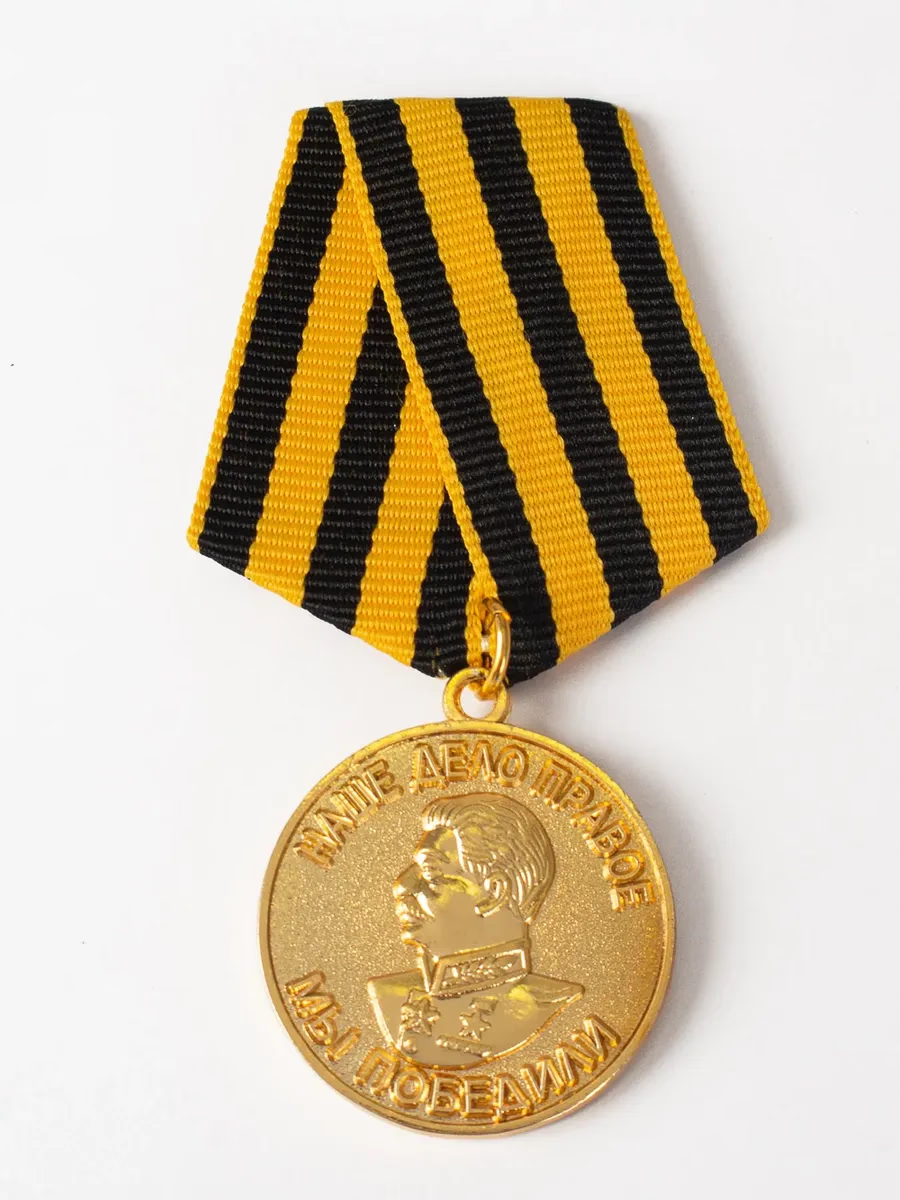
107 persons were highly decorated. All the personnel were awarded the Medal "For the Victory over Germany in the Great Patriotic War of 1941–1945".
The workshops were relocated to Novoelnya, Grodno region, and joined the 26th Air Army.
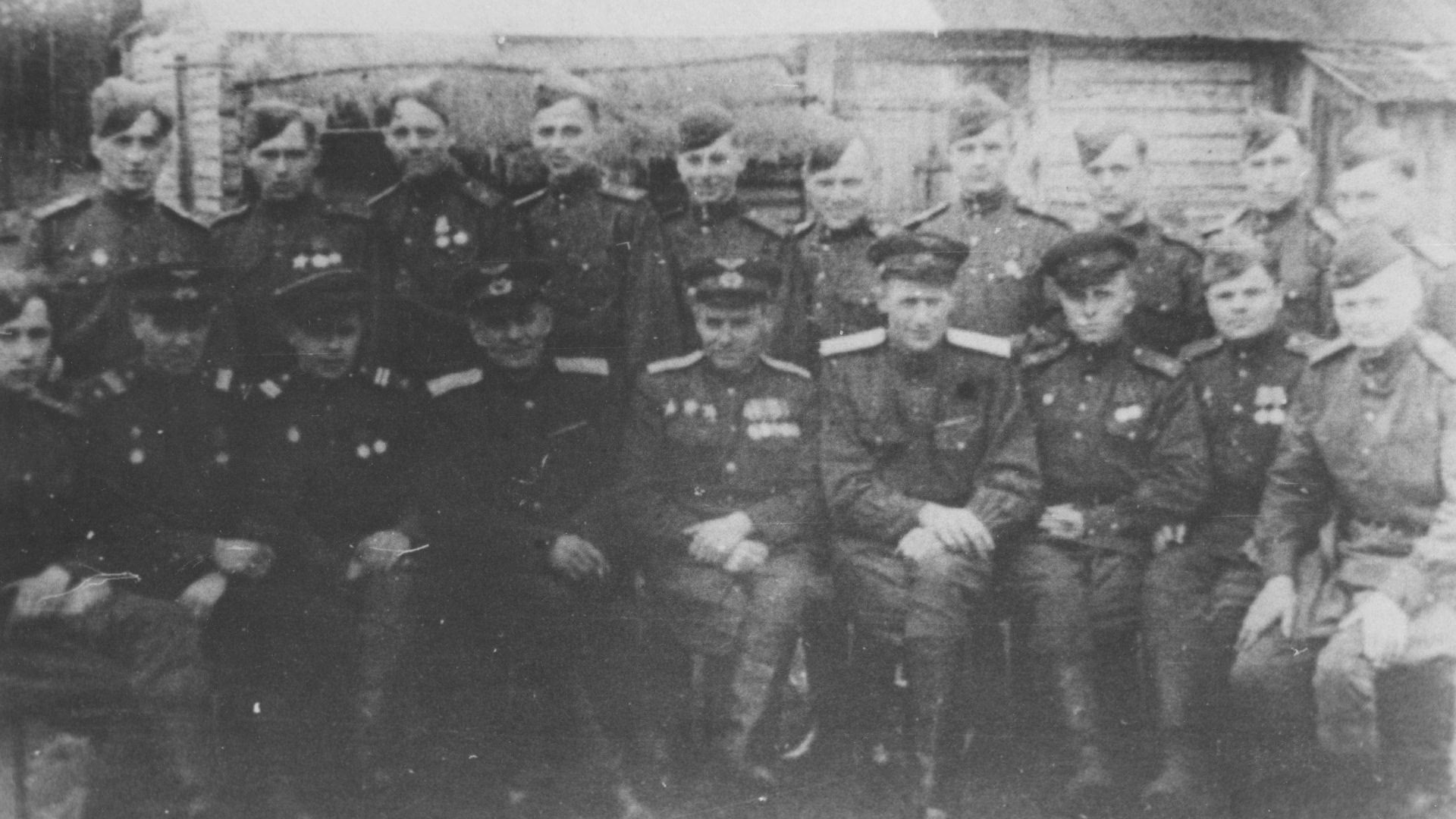
Military personnel of the 38th Mobile Railway Aircraft Repair Workshops. Novoelnya. Summer 1946
1953 —
1956
56 Ilyushin Il-10 aircraft were overhauled from 1953 to 1956. The workshop staff successfully learned overhaul of MiG-15 and MiG-17 jet fighters in 1956.
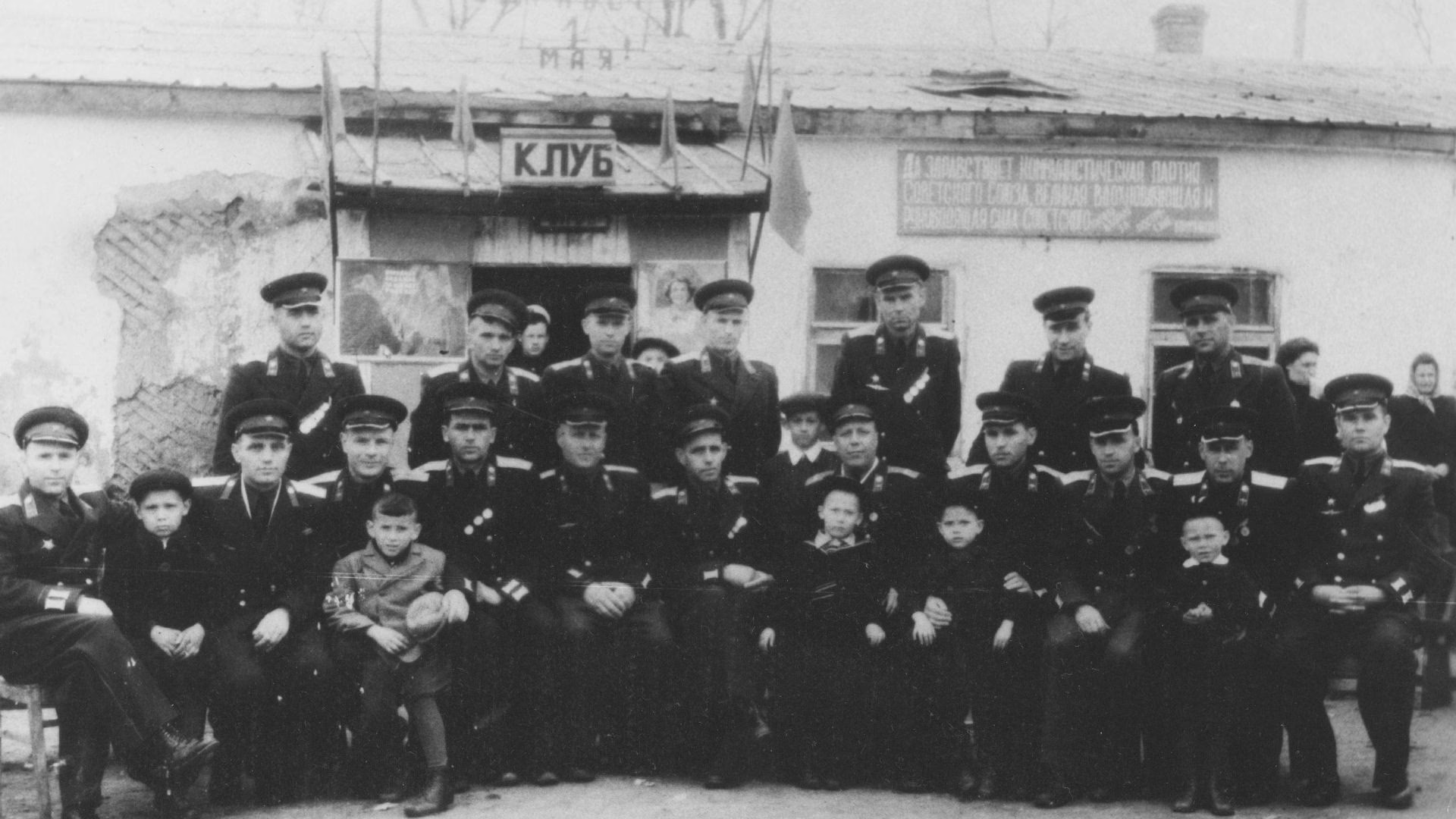
In May 1953 the 38th Mobile Railway Aircraft Repair Workshops were relocated to Baranovichi. In the center of the group of officers - (sixth from the left) the commander of the unit lieutenant colonel N.A. Meshkov
1958
October
1958 by the order of the Air Force Commander the 38th Order of the Red Star Mobile Railway Workshops became a part of Aircraft Repair Base and were awarded name the "32nd Order of the Red Star Military Base" with subordination to the 26th Air Army.
In the same year the military base was relocated from railway cars to the new production space in the area existing nowadays. Now it can be seen that the "railway period" which lasted 17 years was finished. After accommodation at a new location the personnel of the base began to master the overhaul of the first Soviet tactical bomber Il-28.
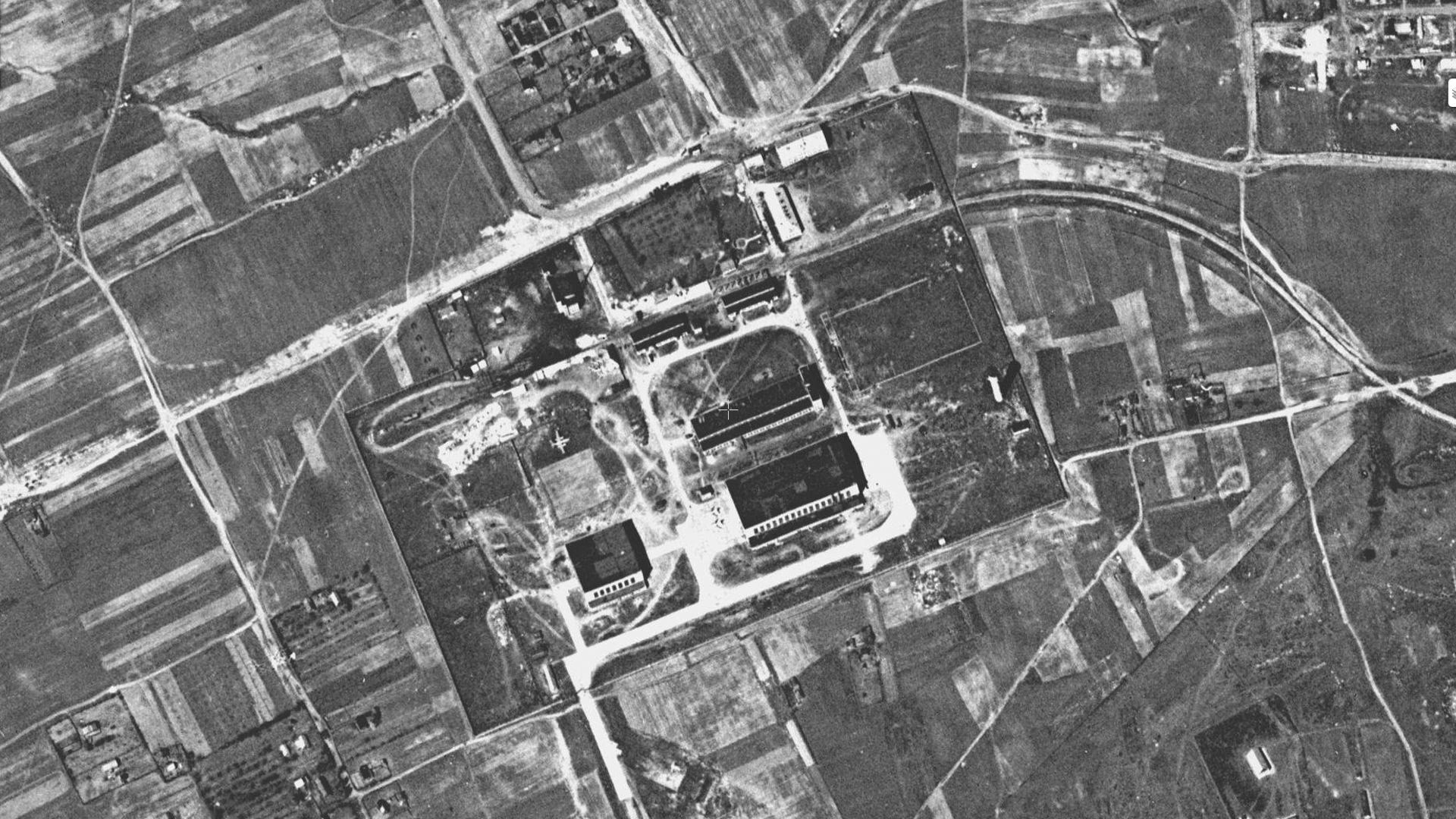
Territory of 558 ARP. April 23, 1966. Photo of US military satellite KN-7
1961
February
In connection with the transfer to the staff of the aviation base and the assignment of a new name ("32nd Order of the Red Star Military Base") on February 14, 1961 the banner of the unit was placed in the custody at the Central Museum of the Soviet Army, and the Order of the Red Star was handed over to in the Main Personnel Directorate of the USSR Ministry of Defense.
In 1961 the plant mastered the repair of Tu-16 long-range bombers. In the space of 2,5 years 62 aircraft were repaired and handed over to the operational units.
Simultaneously with Tu-16 overhaul the base started the assembly of Su-7 supersonic fighters. In two years 180 aircraft were assembled and handed over to the operational units.
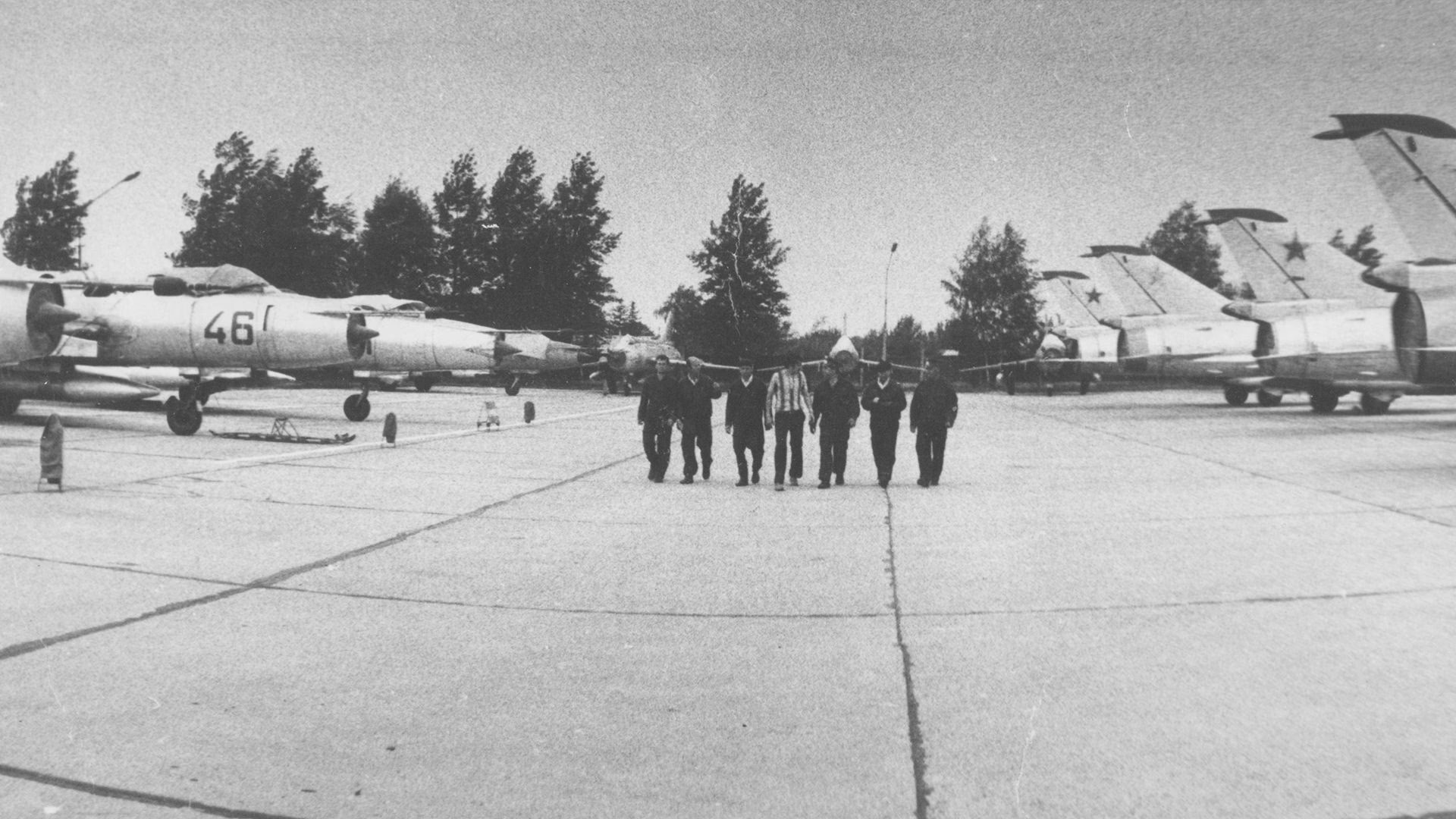
Su-7 aircraft parked at the flight test station
1963 —
1966
During this period, the plant began major repairs of handling equipment, 8K63 training missiles and refueling mock-ups 8K63D, serial production of complex simulators for combat crews of silo-based ballistic missile systems with 8K63 (R-12) and 8K65 (R-14) missiles — 15K3 and 15K5.
The plant mastered gas and liquid neutralization of rocket tanks (refueling mock-ups) 8K63D, created mobile teams to perform complex work directly in military units.
The plant was re-subordinated to the Commander of the 26th Air Army, becoming the "558 Order of the Red Star Aircraft Repair Plant".
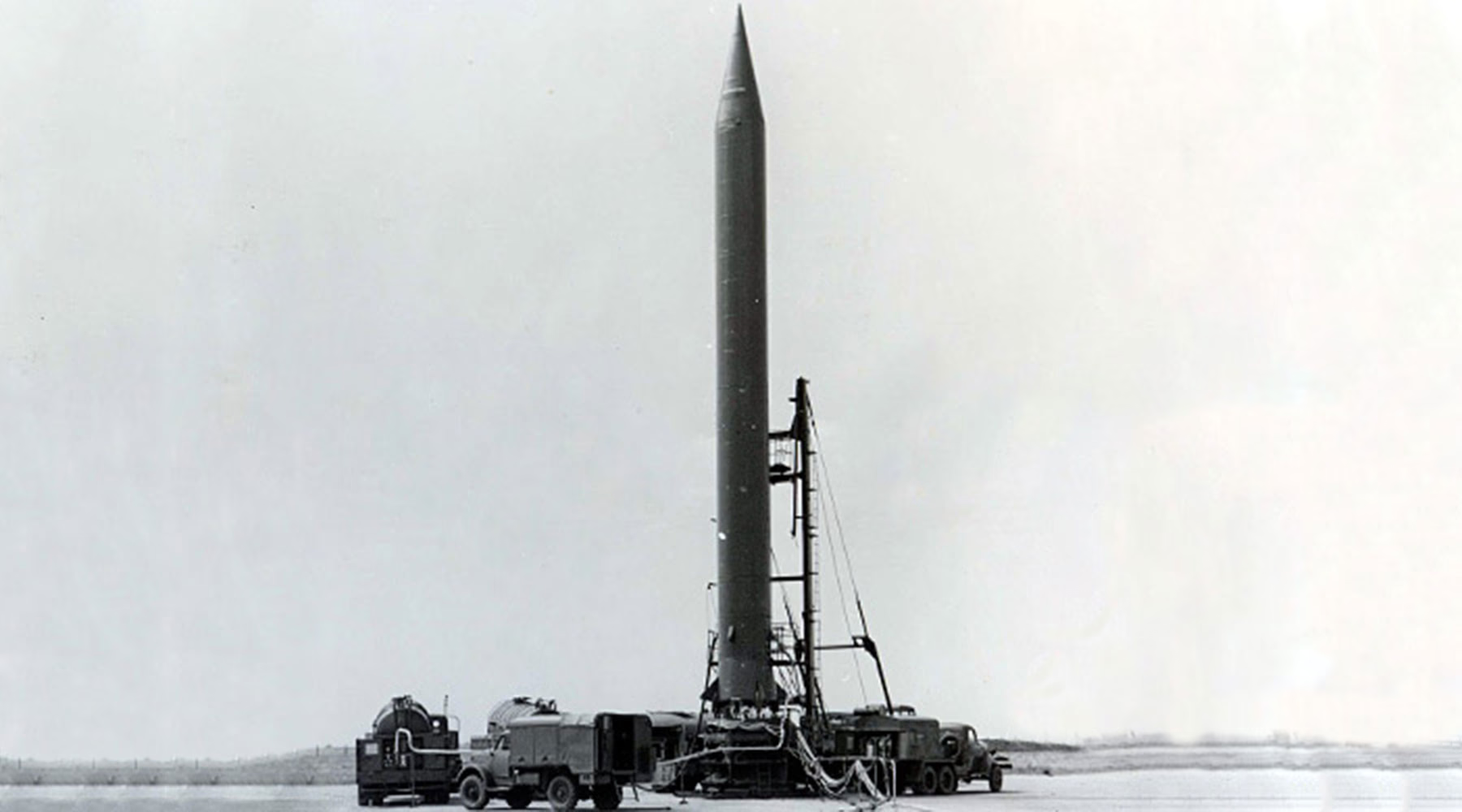
Ground-based missile complex with the R-12 (8K63) IRBM
1970
February — April
The Air Force Command recognized the value of personnel's effort. In February 1970 all personnel were awarded Diploma of the Council of Ministers of USSR and All-Union Central Trade Union Council in All-Soviet Union festival on upgrading of production practices.
On the 9th of April, 1970 the enterprise was entitled as "Enterprise of good manufacturing practice".
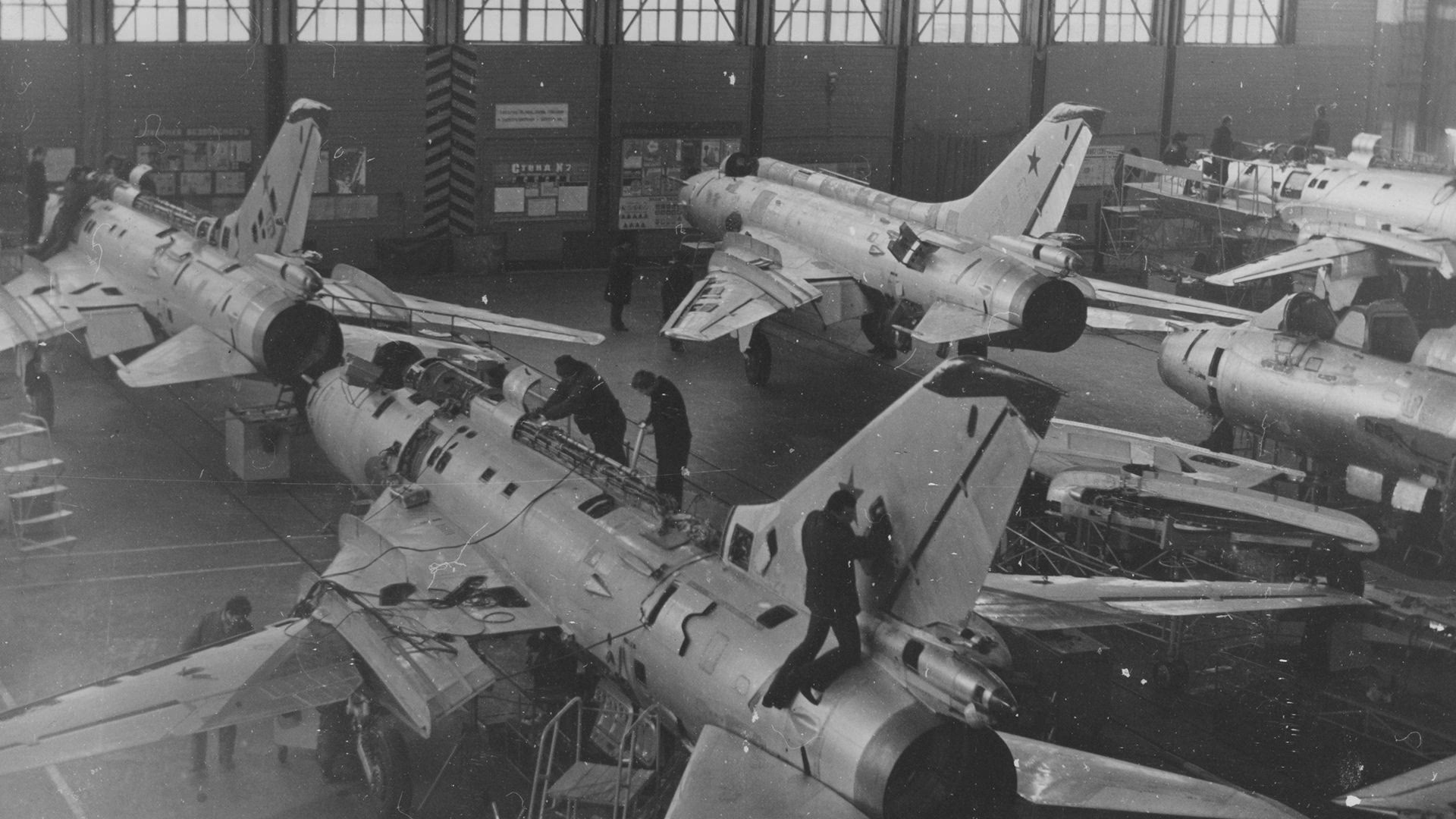
Su-17 aircraft at the assembly sector of workshop No.1
1980 —
1985
In December 1980 by the decision of Air Force Commander and Presidium of the Central Committee of plant's labor organization the plant was entitled as "Exemplary enterprise of Air Forces".
Every year since 1981 till 1985 the plant took the first place in competition among aircraft repair enterprises of Soviet Union.
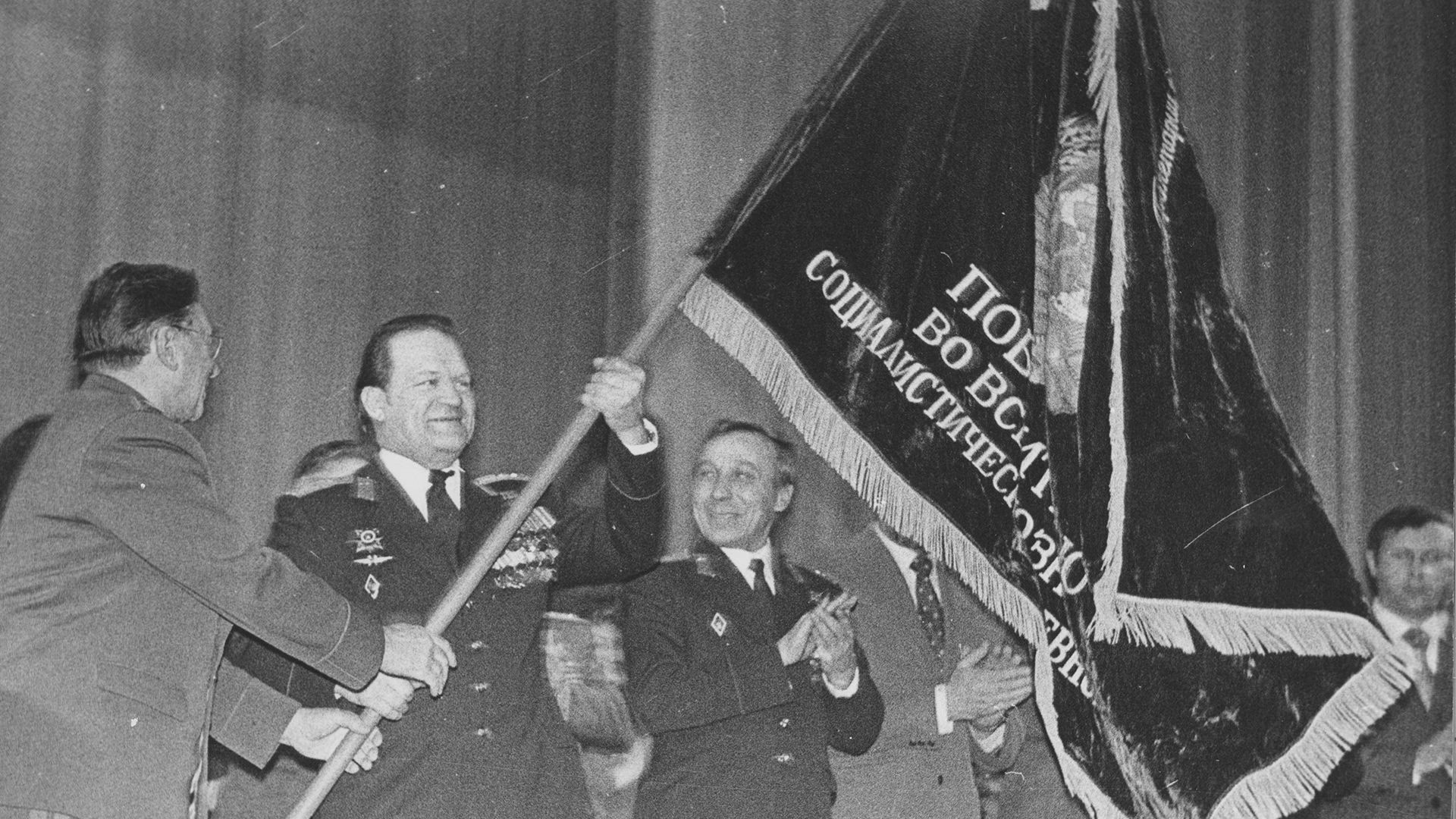
Transfer of the Colours to the plant-winner of the All-Union Socialist Competition. The banner is received by the head of the plant, Colonel Ivan Rybin
2009 —
2010
The enterprise was reorganized into Joint Stock Company "558 Aircraft Repair Plant".
In JSC "558 ARP" established a structure for the design and manufacture of unmanned aerial vehicles, as well as other armament and military equipment.
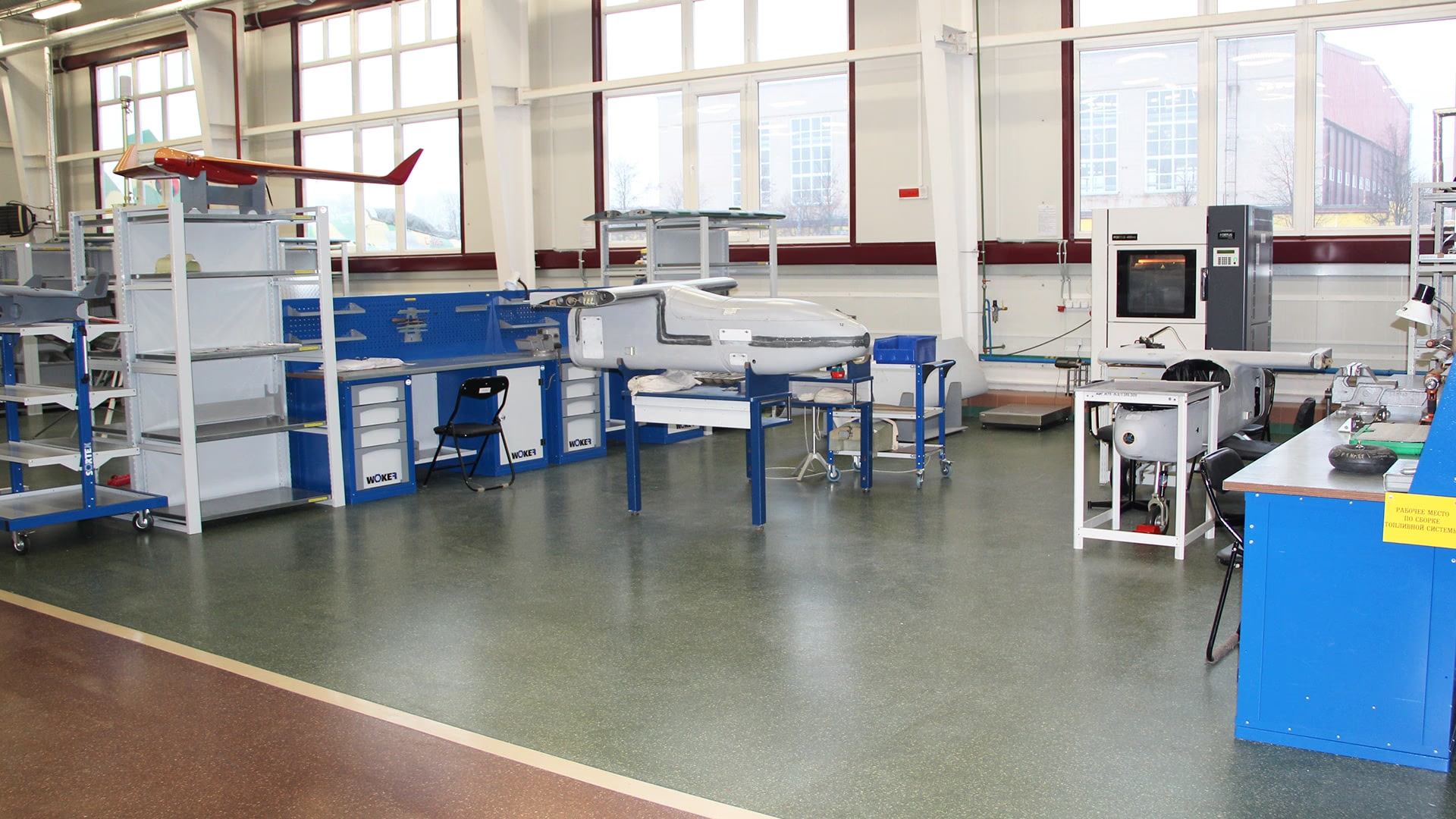
UAV assembly shop
2015 —
2017
Since 2015, OJSC "558 ARZ" has been implementing an enterprise development program in the field of production of parts and assemblies for the benefit of aircraft manufacturing enterprises.
A new workshop with an area of 2160 m2 was put into operation, equipped with modern machine tools that allow the production of parts of varying complexity and nomenclature from aluminum and titanium alloys, structural, heat-resistant and stainless steels.
Today, the total production area equipped with machine tools and technological equipment is more than 13,000 m². The machine park has more than 30 CNC machines and more than 40 units of universal equipment.
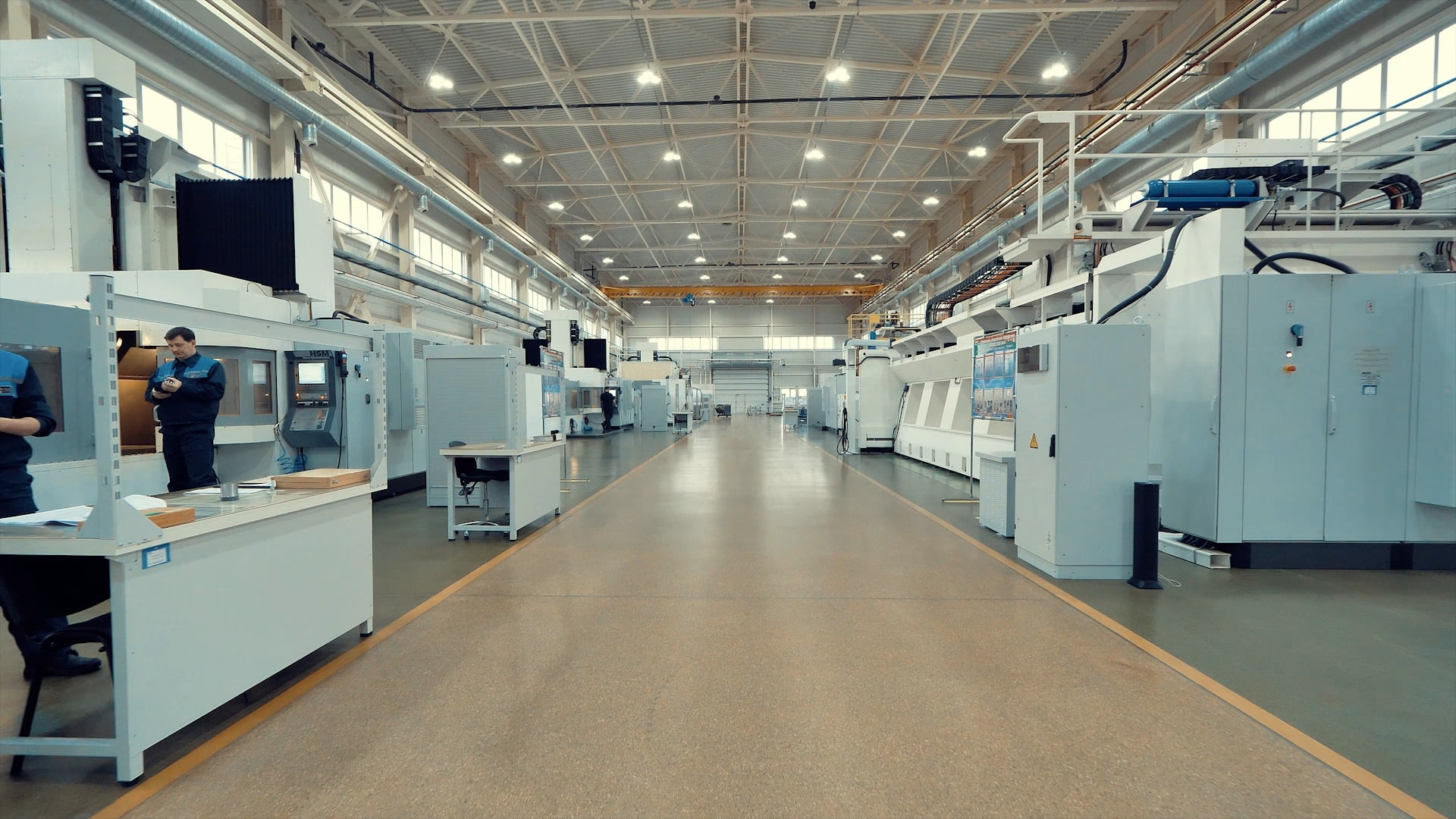
Area of production of parts and assembly units
2019
At the facilities of JSC "558 Aircraft Repair Plant" in Baranovichi there was a solemn ceremony of handing over the Colours from the Central Museum of the Armed Forces of the Russian Federation, a copy of the Certificate of the Presidium of the USSR Supreme Soviet and the Order Book, and a duplicate of the Order of the Red Star to JSC "558 Aircraft Repair Plant". From now on, the relics transferred by the Russian party are kept in the museum of JSC "558 ARP".
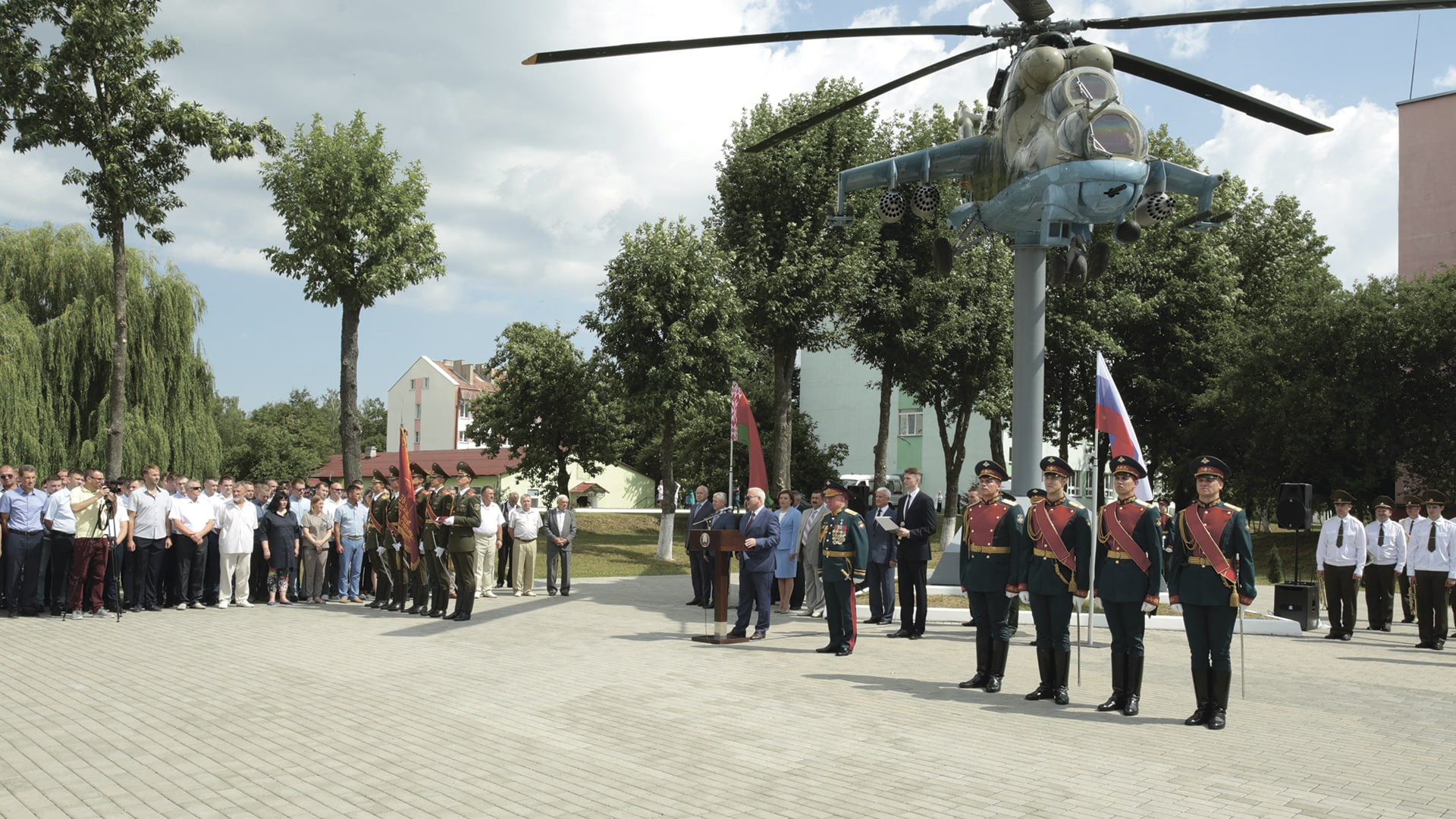
The ceremony of handing over of combat relics by the Russian party to JSC "558 ARP". July 2019
2023
Since 2023, within the framework of the Comprehensive Interdepartmental Program for Cooperation between the Russian Federation and the Republic of Belarus in the field of aircraft construction, the implementation of the project for the development and organization of serial production of the twin-engine 19-seat light multi-purpose aircraft "Osvey" has begun.
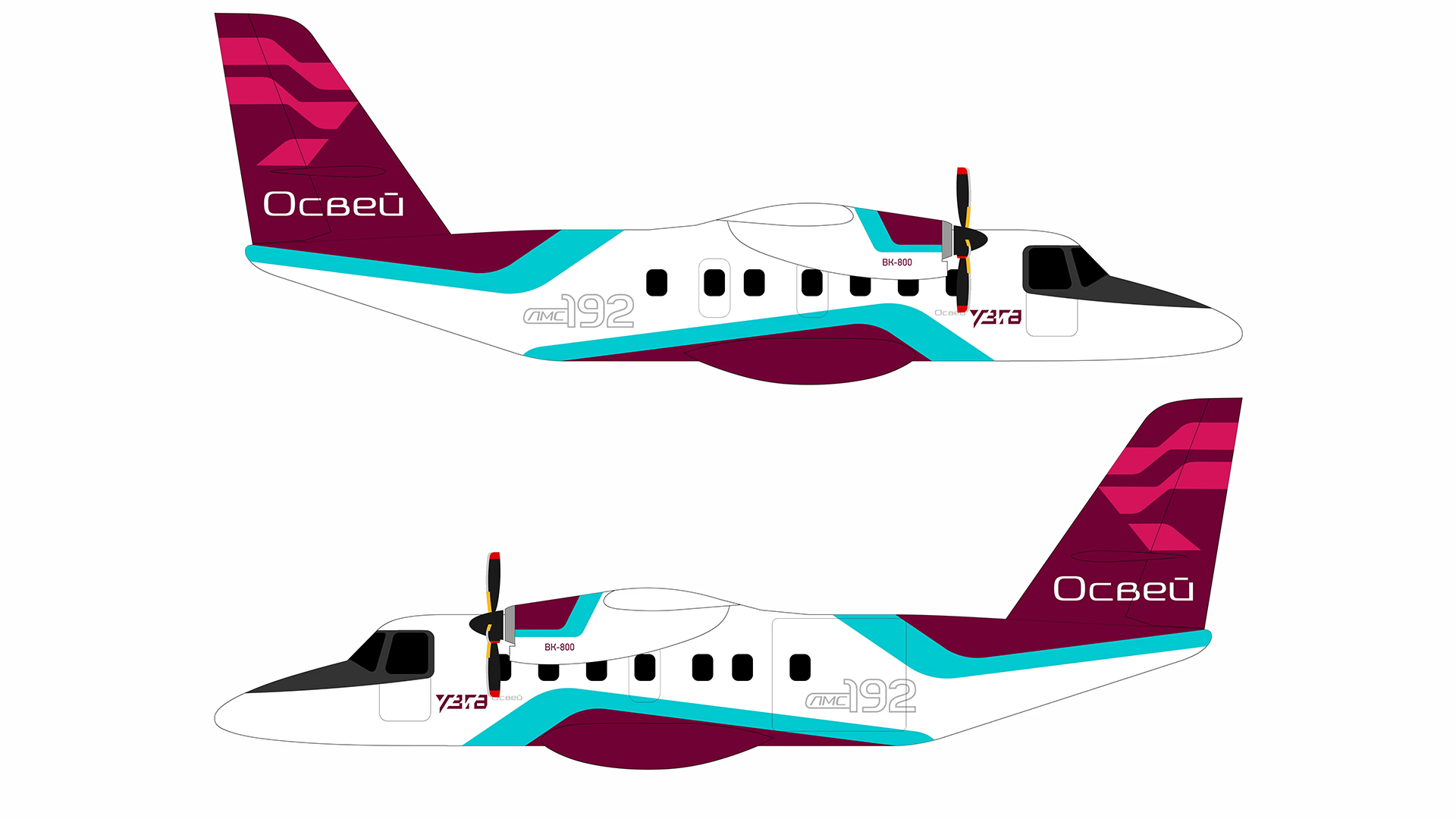
LMS-192 "Osvey" aircraft
2025
A workshop for assembly of airframe parts has been put into operation. The workshop was built to perform work on the slipway assembly of the cockpit canopy frame, cockpit door, emergency exit door, cargo door, fin, rudder, elevator, stabilizer, engine mount.
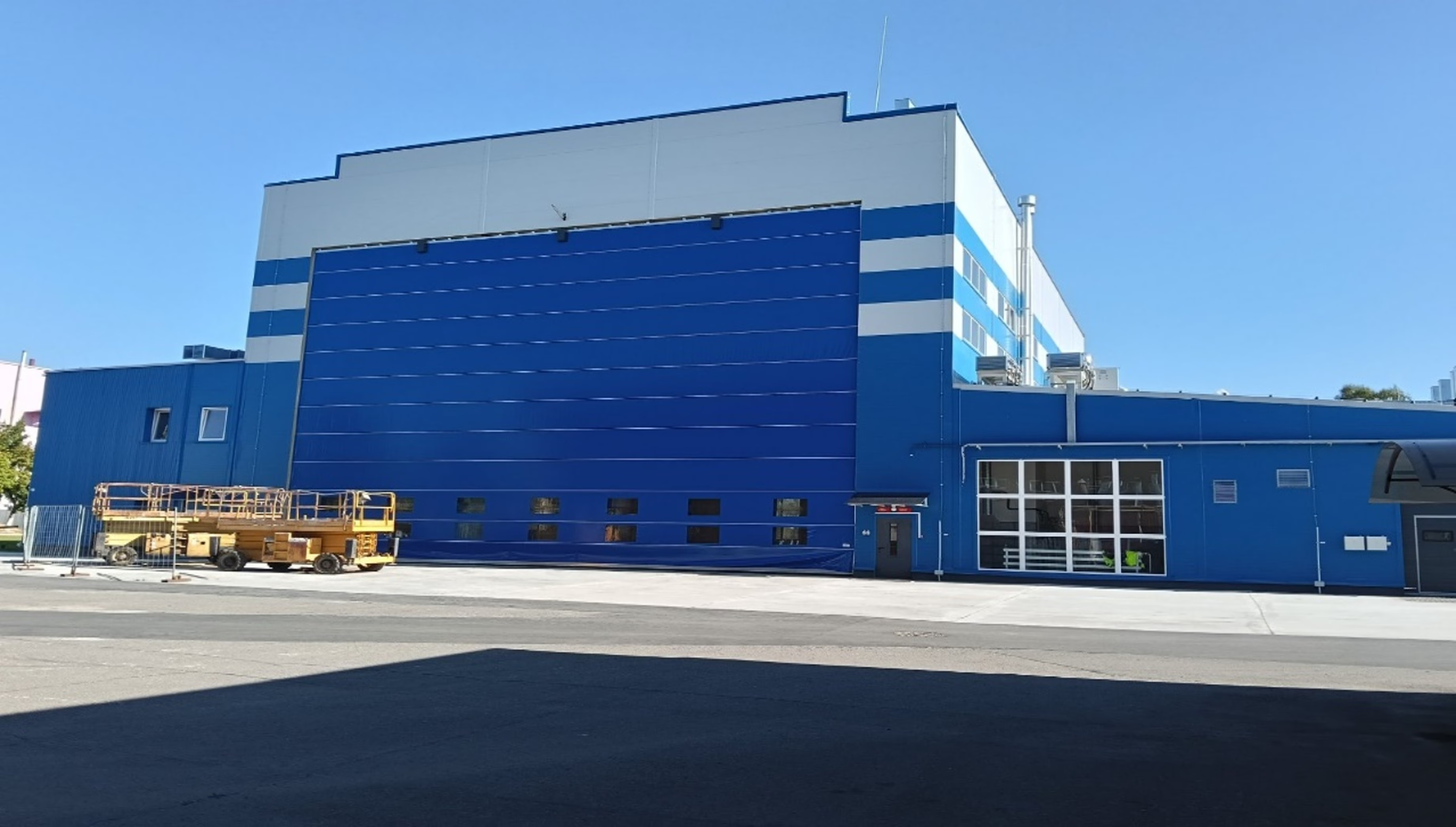
Workshop for assembly of airframe parts
Contacts
-
Address
bld.7, 50 let VLKSM str., Baranovichi, Republic of Belarus, 225415
- Reception
- Fax
- Social network
Have questions? Write to us
Our specialists will answer and advise on all your questions